
Sustainability & ESG
Run well today, without borrowing from tomorrow.
Sustainability at WCSS is an operating habit, not a brochure. We measure what our work consumes, reduce it contract by contract, and report the numbers to you every quarter.
- Locally Sourced Food Spend
- 82%Locally Sourced Food Spend
- Kitchen Waste Since 2022
- -31%Kitchen Waste Since 2022
- Nigerian Workforce
- 96%Nigerian Workforce
- ESG Reporting To Clients
- QuarterlyESG Reporting To Clients
Our three pillars
Environment, people, and the way we govern both.
The same three commitments apply to an offshore galley, a mining camp and a corporate headquarters — only the numbers change.
Environment
Lighter on the places we operate in.
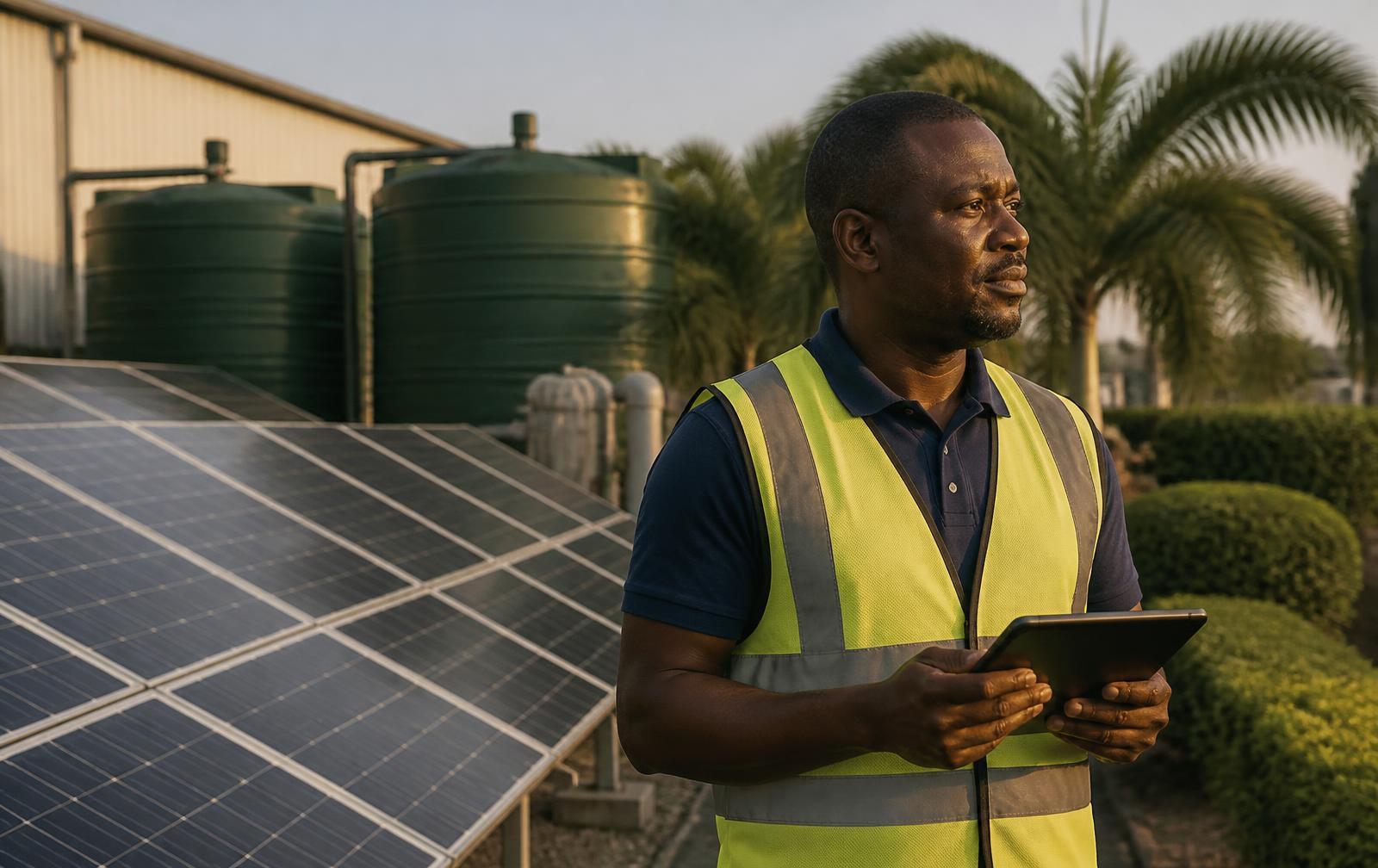
Waste, water and energy are measured on every contract and reduced against a baseline we set with you in the first ninety days.
- 01Food waste weighed daily and reviewed against menu planning
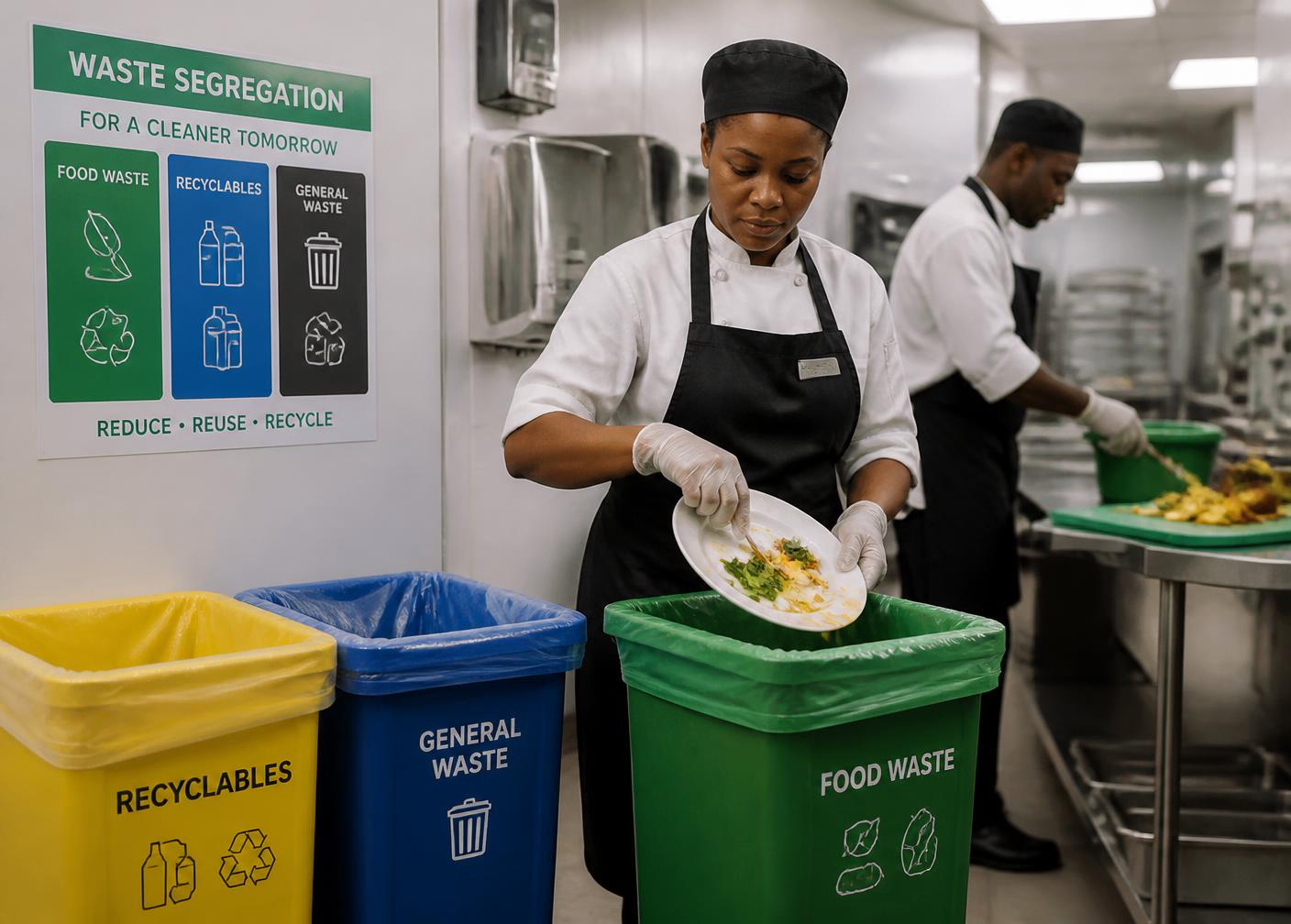
- 02Waste separated at source with tracked recycling and disposal routes
- 03Energy and water use monitored in kitchens, laundries and accommodation
- 04Cleaning chemicals dosed, controlled and switched to lower-impact products
- 05Single-use plastics removed from service wherever a safe alternative exists
Local first
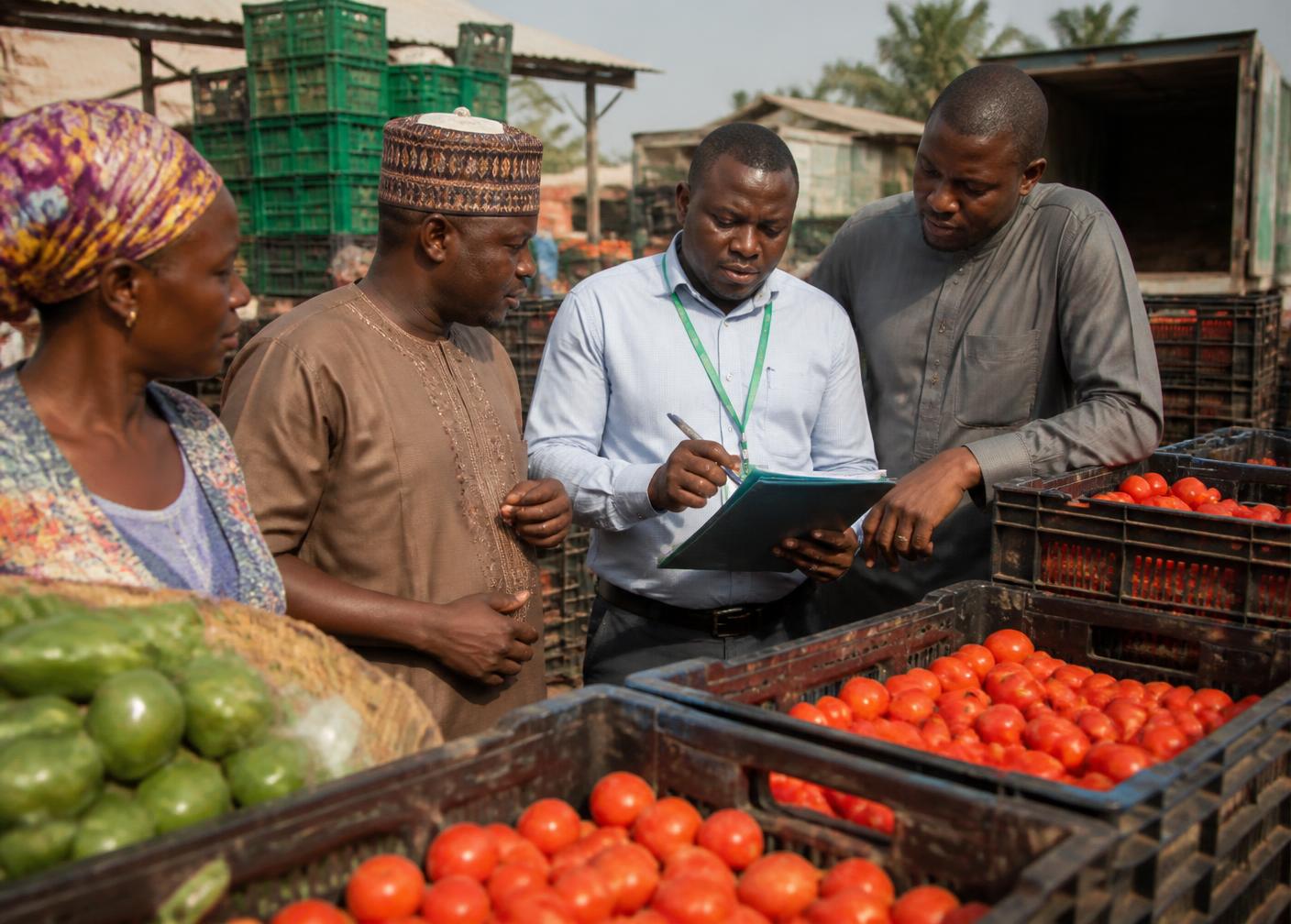
Most of what we serve is grown near where we serve it.
Buying close to site keeps food fresher, cuts transport, and puts money into the economies our clients operate in. It also makes supply more reliable when logistics get difficult.
- 82% of food spend placed with Nigerian producers and traders
- Smallholder growers supported through vetting, hygiene and packing standards
- Seasonal menu planning that follows local harvests, not import calendars
- Shorter cold chains, lower transport emissions and less spoilage
- Supplier performance reviewed every quarter against quality and ethics
- Vetted Suppliers
- Seasonal Menus
- Traceable
- Fair Terms
Our commitments
Targets with dates attached.
Each one is measured on your contract, not averaged across the company.
Cut food waste by half
Portion control, forecast-led production and menu redesign, measured against a weighed baseline on every contract.
Reduce energy intensity
Efficient equipment, planned maintenance, and shift patterns that stop kitchens and plant running when nobody needs them.
Responsible water use
Metering, leak response within 24 hours, and water-saving practice in kitchens, laundries and cleaning routines.
Grow local sourcing
More of every food naira spent with vetted Nigerian producers, with shorter journeys from farm to plate.
Train every employee, every year
Safety, hygiene and service refreshers, plus supervisory development for staff moving up.
Invest beside every contract
A community programme agreed with the client and local leadership — skills, meals or facilities, not photographs.
Waste and resources
What leaves the kitchen matters as much as what leaves the pass.
Waste is weighed, separated and reported. When a number moves the wrong way, the menu, the forecast or the process changes — and you see it in the next report.
- Daily weighing of preparation, service and plate waste
- Colour-coded separation with tracked recycling and licensed disposal
- Surplus safe food redirected to staff meals and community partners
- Cooking oil, cardboard, glass and metal collected for reprocessing
- Single-use plastics phased out across service where safe to do so

People and community
A contract should leave a place better staffed than it found it.
We recruit near the site, train from day one, and open a route from entry-level work to supervision. Where a client wants to go further, we design a community programme with them.
96%
Nigerian workforce
38%
Women in the workforce
100%
Staff trained annually
6
Community programmes running
How you see it
Measured, reported, and open to your audit.
An ESG claim is only worth the record behind it. Every figure we publish to you comes from logs, invoices and payroll you are welcome to inspect.
SDG 8
Decent Work & Economic Growth
SDG 12
Responsible Consumption & Production
ISO 14001
Environmental Management
Need the policy pack — environment, ethics, supplier code and modern slavery? Ask us for it.
- 01
Baseline
In the first ninety days we measure waste, energy, water, local spend and workforce mix on your site — the starting line, in writing.
- 02
Targets
We agree what should improve, by how much and by when, and name the person accountable for each one.
- 03
Report
A quarterly ESG summary lands with your operations report: movement against target, what caused it, what changes next.
- 04
Verify
Figures come from logs and invoices you can inspect, and are open to your own audit or a third party at any time.
Safeguards
The controls that keep the supply chain clean.
Ethical conduct
Anti-bribery training for staff, gift and hospitality rules, and a confidential reporting line reviewed by senior management.
Supplier accountability
Written code of conduct, documented vetting, labour standards checks and the right to audit any approved vendor.
Fair employment
Written contracts, statutory benefits, no child or forced labour, and grievance handling with a named owner and a deadline.
Sustainability & ESG
Ask us what your site would look like after a year with us.
We will show you the baseline we would set, the targets we would commit to, and the report you would receive every quarter.